Before the expansion of the Inca Empire, the Peruvian territory was home to brilliant civilizations that left an impressive architectural and artistic legacy. The most important Pre-Inca archaeological sites in Peru are the following:
Northern Coast
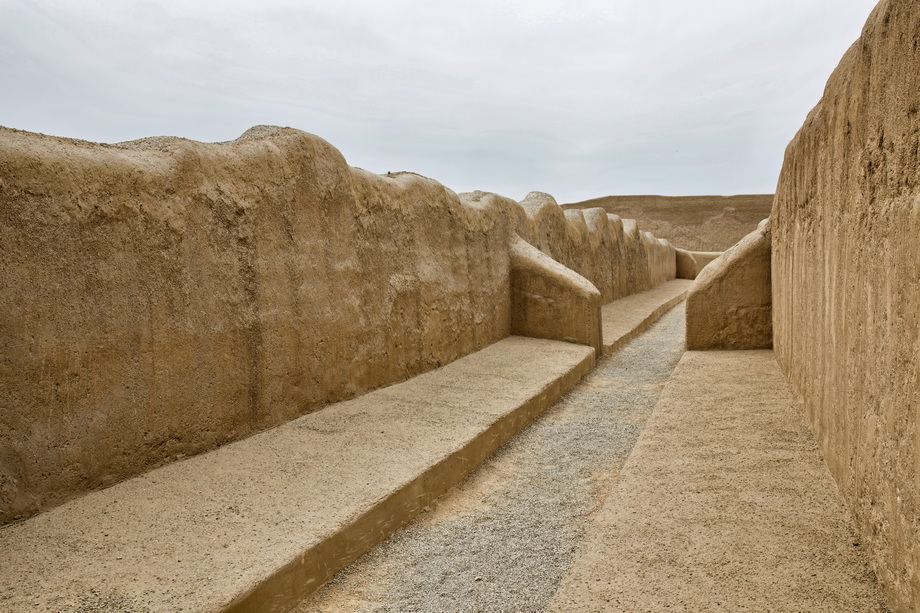
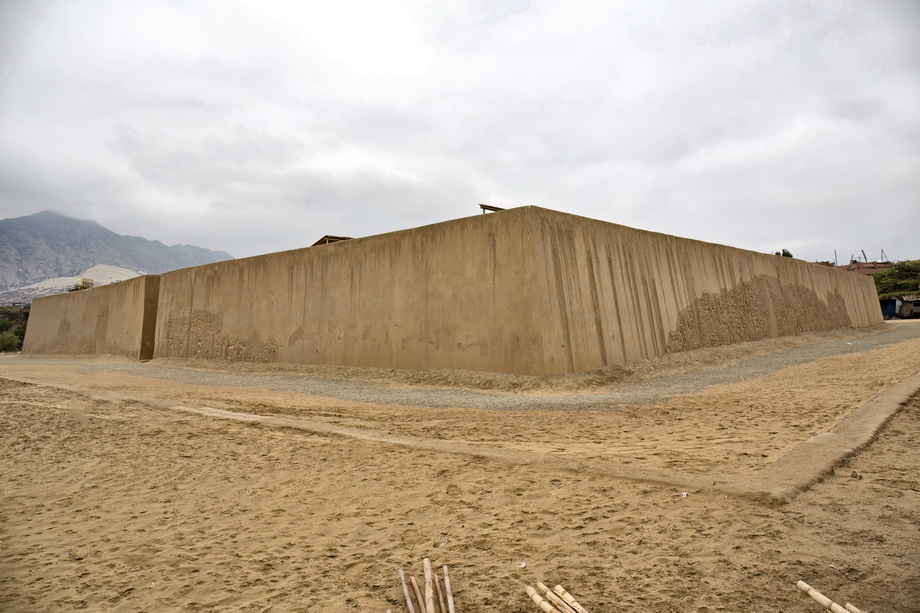
- Chan Chan (Chimú Culture): Located a few miles from Trujillo, it is the largest mud-brick city in the Americas. It was the capital of the Chimor Kingdom and stands out for its high walls decorated with geometric and marine reliefs.
- Huacas del Sol y de la Luna (Moche Culture): These imposing stepped adobe pyramid temples served as the Moche political and religious center. Huaca de la Luna is famous for preserving colorful murals dedicated to the god Ai Apaec.
- El Brujo Archaeological Complex (Moche Culture): Famous for housing the tomb of the Lady of Cao, the first known female ruler of the area, whose mummified body kept its tattoos completely intact.
Central and Southern Coast
- Sacred City of Caral (Caral Culture): Located in the Supe Valley (Lima), it is considered the oldest civilization in the Americas, with more than 5,000 years of history (contemporary with the pyramids of Egypt).
- Nazca Lines (Nazca Culture): Huge geoglyphs carved into the desert of the Ica region. They represent figures of animals, plants, and geometric lines that can only be fully appreciated from an airplane flight.
- Pachacamac Sanctuary (Multiple Cultures): Located south of Lima, this immense mud and stone complex was the most important oracle on the central coast, operated initially by the Lima culture, then expanded by the Wari, the Ychsma, and finally the Incas.
Highlands and Cloud Forest
- Kuélap (Chachapoyas Culture): A colossal fortified citadel located at an altitude of 3,000 meters in the high jungle of Amazonas. It is surrounded by imposing walls up to 20 meters high and houses circular stone dwellings decorated with friezes.
- Chavín de Huántar (Chavín Culture): Found in Áncash, this ceremonial center was the epicenter of the Early Horizon in the Andes. It stands out for its complex network of underground galleries, the mysterious tenon heads (Cabezas Clavas), and the colossal Lanzón Monolith.
- Wari Archaeological Complex (Wari Culture): Located in Ayacucho, it was the capital of the first pan-Andean empire long before the Incas. It showcases advanced urban planning with residential complexes, temples, and stone walls.