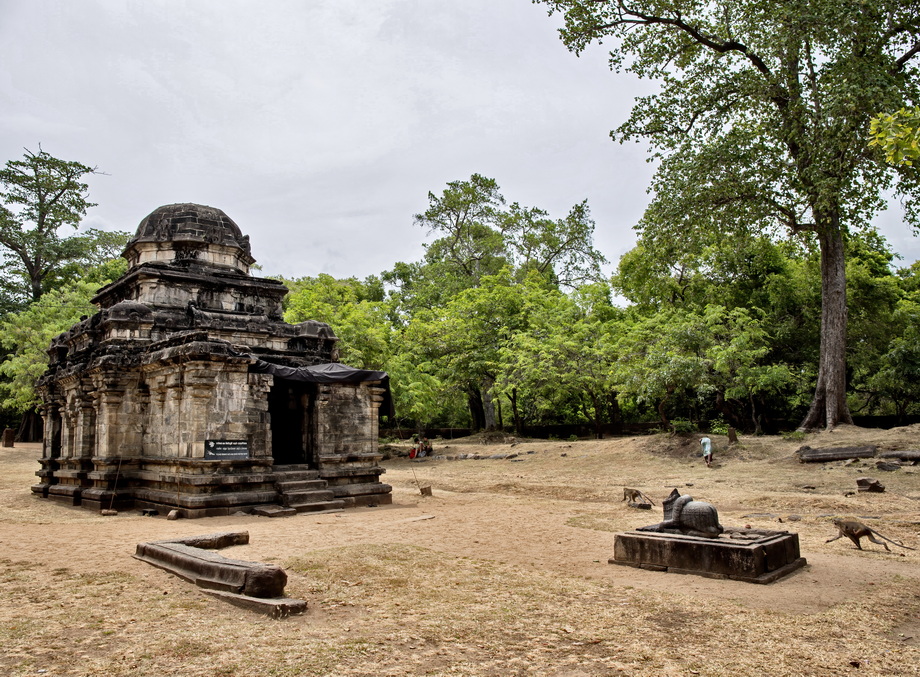
Sri Lanka’s architecture is an exceptional synthesis of ancient Buddhist traditions, South Asian artistry and European colonial engineering. The island boasts eight UNESCO World Heritage Sites, six of which are deeply celebrated cultural and architectural wonderlands.
Ancient Kingdoms & Sacred Buddhist Engineering
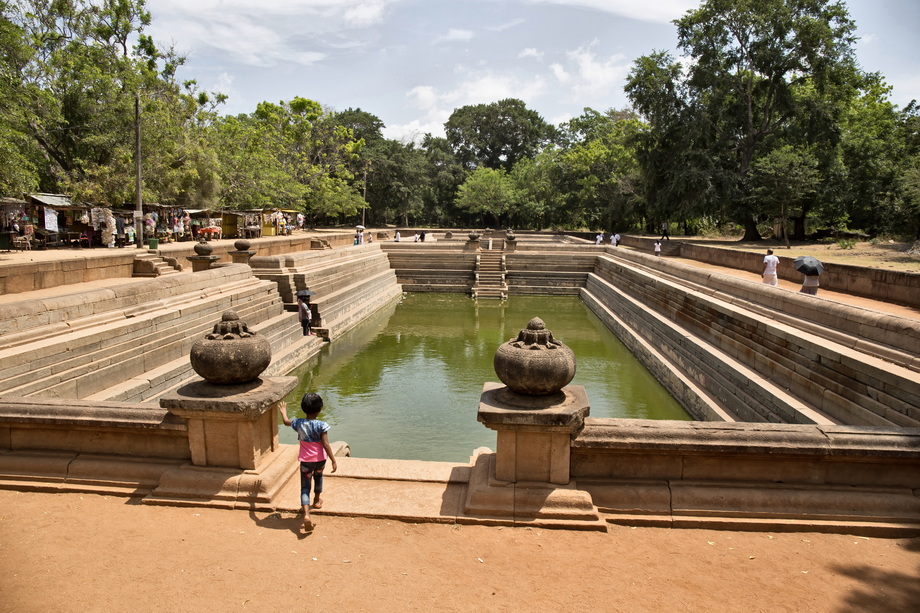
Ancient Sri Lankan architecture was predominantly religious and driven by massive Sinhalese stone and brick engineering, particularly noted for grand dagobas (stupas) and sophisticated water management systems.
- Sigiriya Rock Fortress (Central Province): This 5th-century citadel is built atop a massive 200-meter-tall granite rock. It features advanced urban planning, symmetry, extensive water gardens with working fountains, and the dramatic "Lion Gate" staircase carved directly into the rock face.
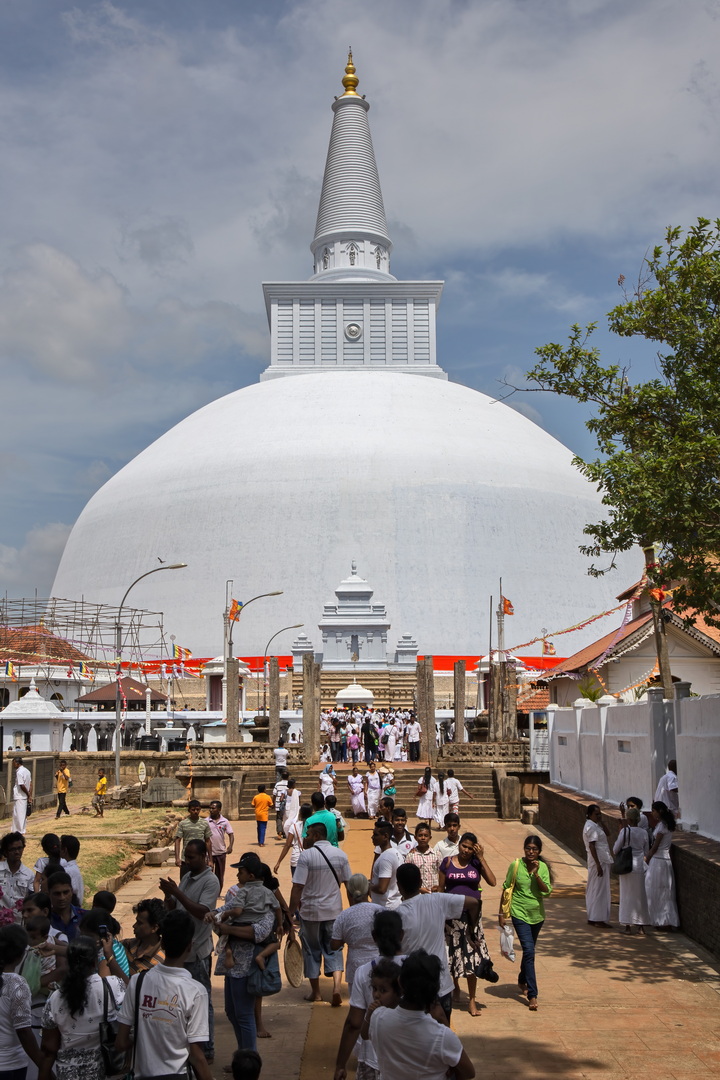
- Sacred City of Anuradhapura (North Central Province): Sri Lanka's first capital holds the world's most massive ancient brick structures. Highlights include the Jetavanaramaya Dagoba (once the third tallest structure in the ancient world) and the pristine, white hemispherical Ruwanwelisaya Stupa.
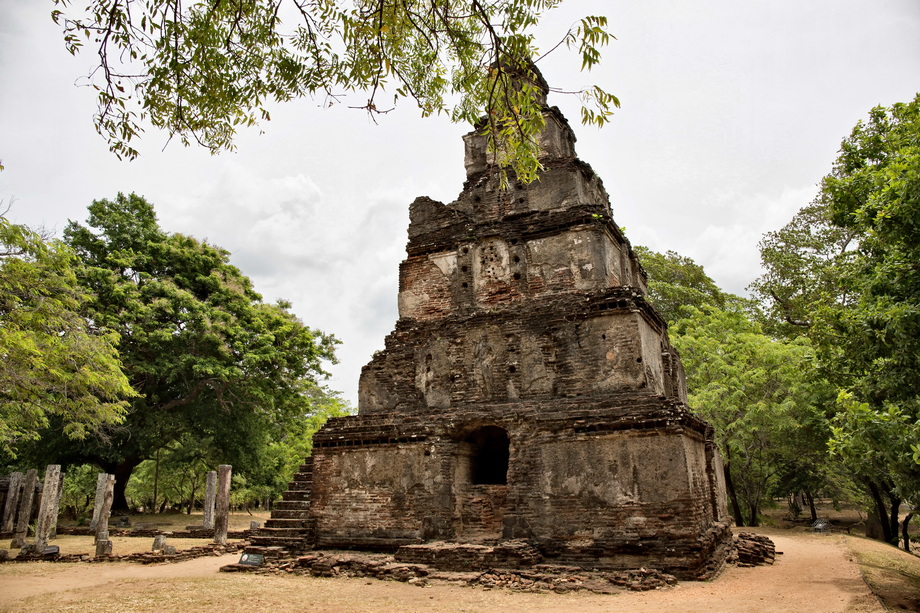
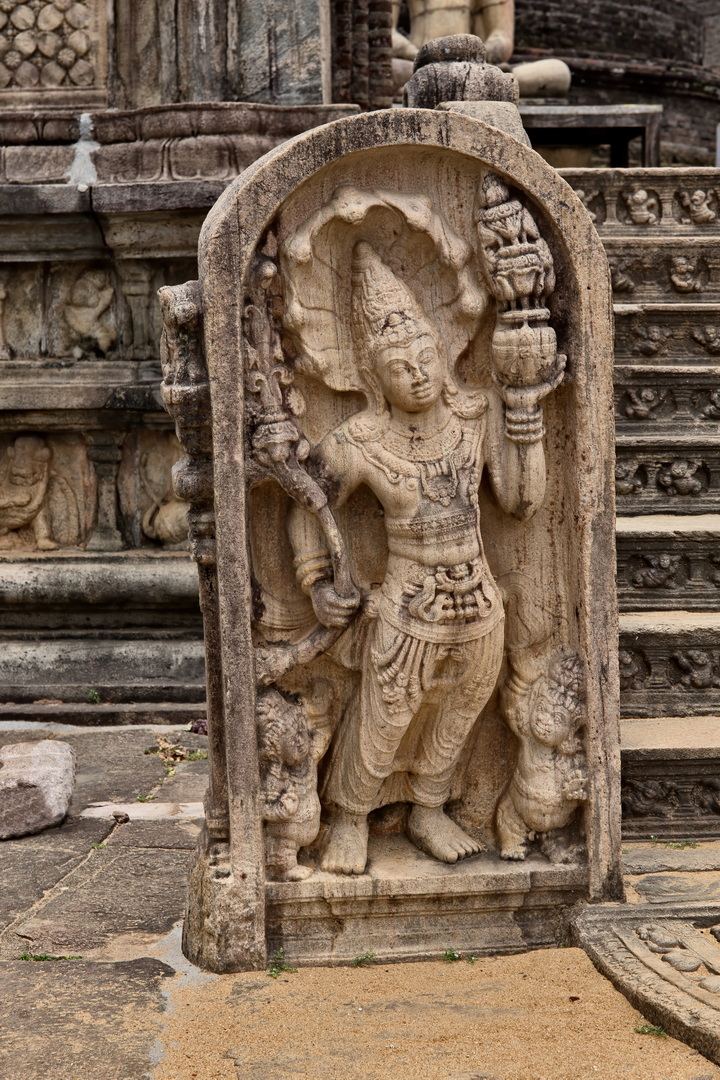
- Ancient City of Polonnaruwa: This medieval capital showcases a gradual shift toward clay-brick building and intricate stone carvings. The Vatadage (a circular stone shrine) and the Gal Vihara (four colossal Buddha figures cut into a single granite rock face) are masterworks of the era.
- Dambulla Cave Temple Complex: Serving as a monastery since the 1st century BCE, this towering rock contains five individual caves packed with over 150 Buddha statues and vibrant religious ceiling murals stretching over 2,000 square meters.
Late Medieval & Kandyan Style
Before European colonization moved inland, the central hill country preserved traditional architectural motifs characterized by wood carvings, open verandas, and multi-tiered roofs.
- Temple of the Sacred Tooth Relic (Kandy): Located within the royal palace complex of the last independent kingdom, this temple features classical Kandyan architecture with sloping tiled roofs, ivory carvings, and ornate gold-and-wood pavilions housing Buddhism's most sacred relic.
Colonial Fortifications & Civil Architecture
Centuries of trade and military occupation by the Portuguese, Dutch, and British heavily introduced European classical, baroque, and military architectural styles to coastal towns.
- Galle Fort and Old Town (South Coast): Built originally by the Portuguese and extensively fortified by the Dutch in the 17th century, Galle is the best-preserved European seaside fortress in Asia. It features a grid of cobblestone streets lined with Dutch-colonial administrative villas, verandas, low roofs, and historic churches.
- Colombo Fort District: This hub features a concentrated collection of grand British-colonial buildings, such as the Neo-Baroque Old Parliament Building, the red-brick Cargills Department Store, and the vibrant, candy-striped Indo-Saracenic Jami Ul-Alfar Mosque (The Red Mosque).
 Extended info about the Architecture of Sri Lanka