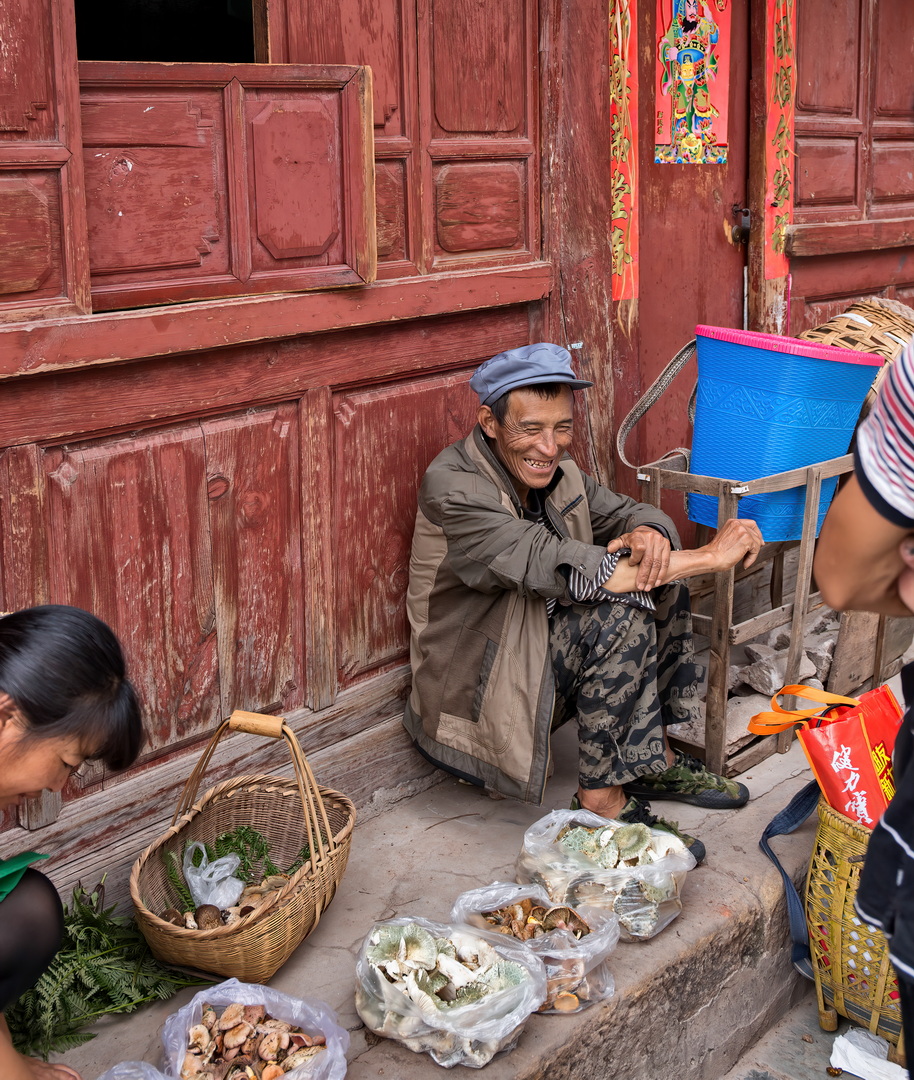
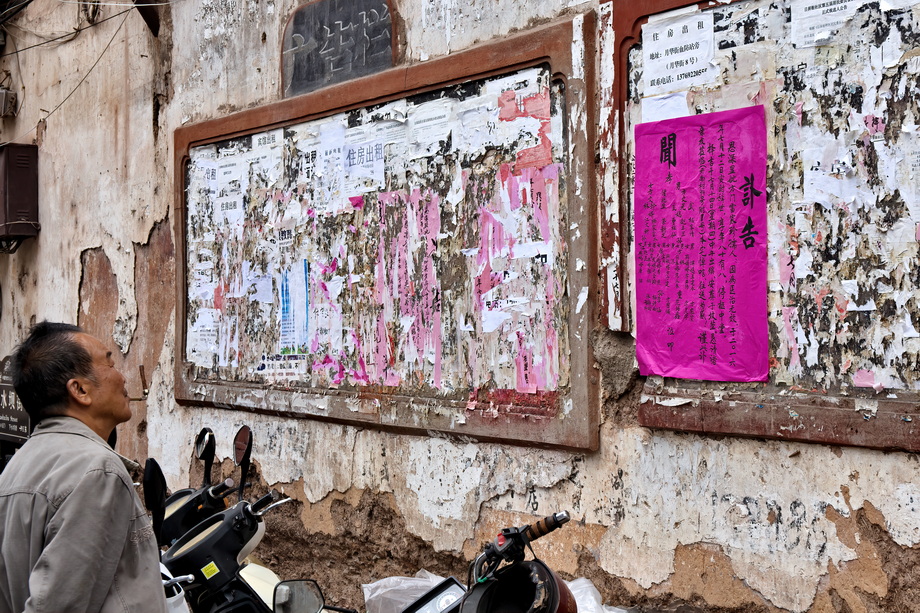
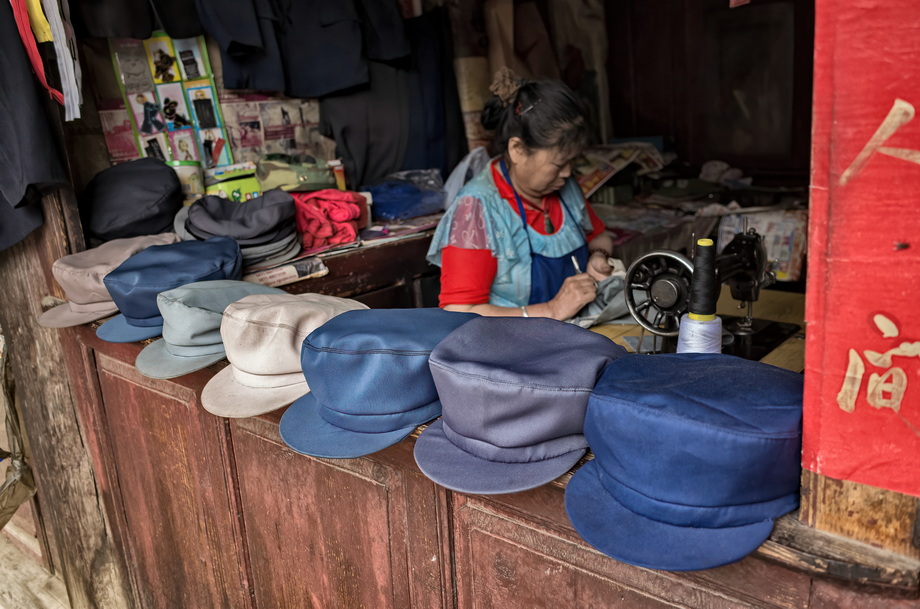
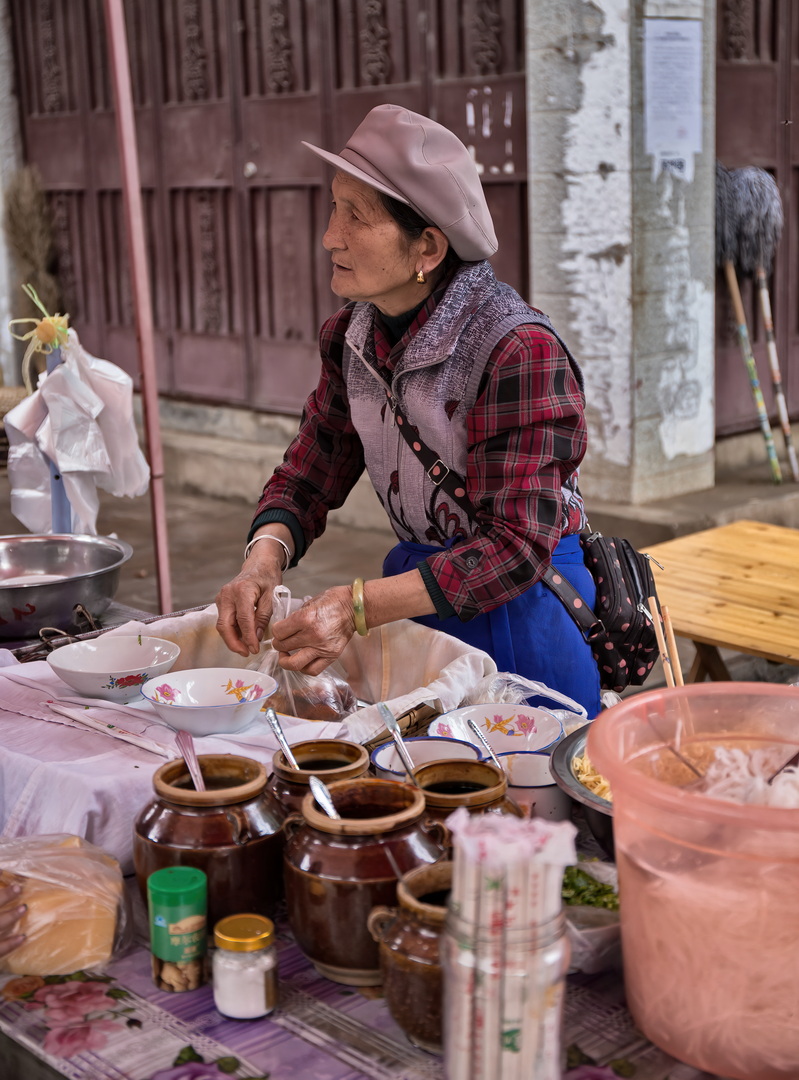
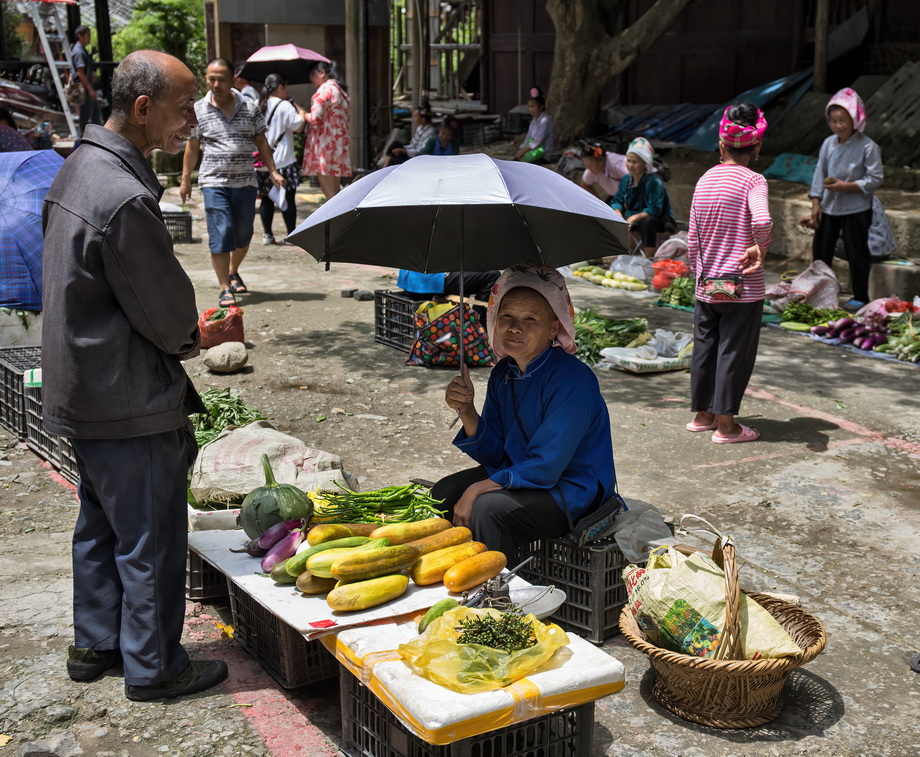
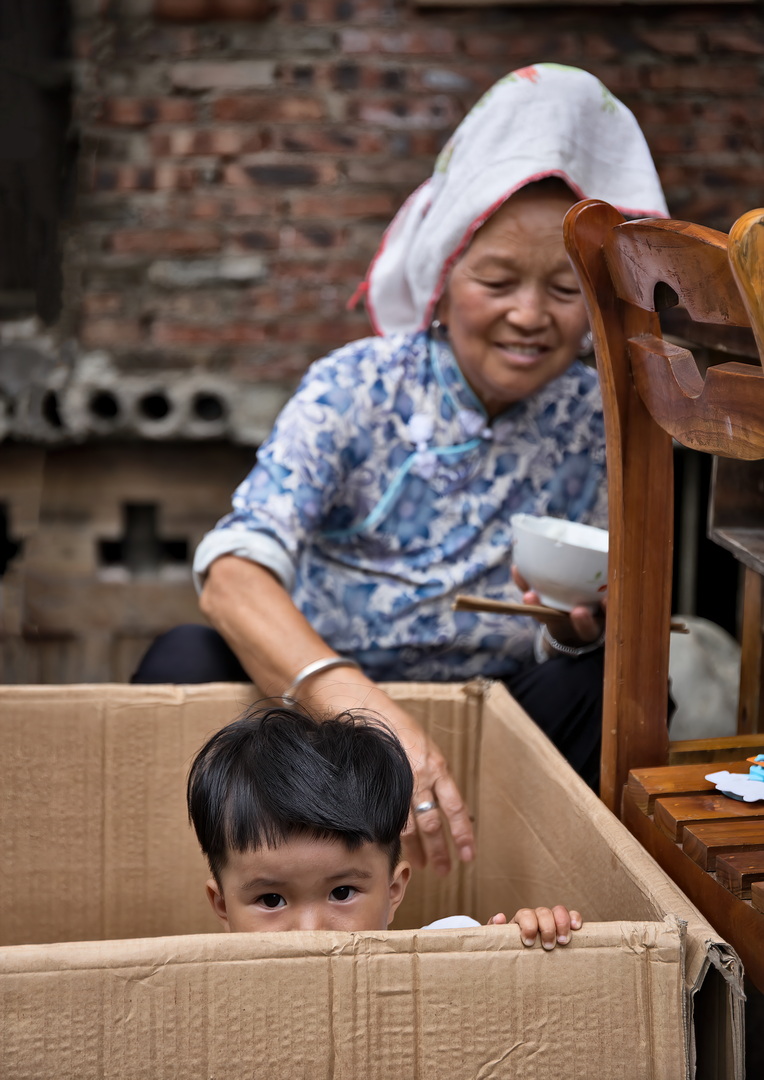
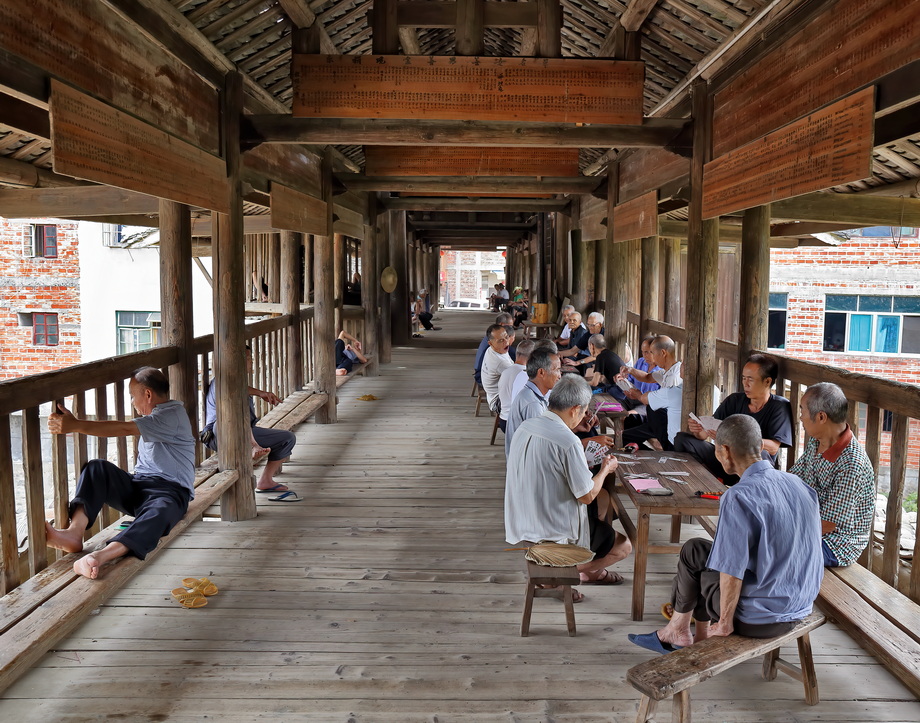
Life in rural China is defined by a massive wealth gap between regions, a rapidly aging population, and a distinct contrast between deep cultural traditions and modernizing infrastructure. Today, roughly 45% of China's population lives in rural areas, but what "rural" means depends heavily on geography.
The Geographic Divide
- The Coastal East: Villages in eastern or southern provinces (like Zhejiang) are often wealthy and highly industrialized. Many boast modern housing, high-speed rail access, and paved roads.
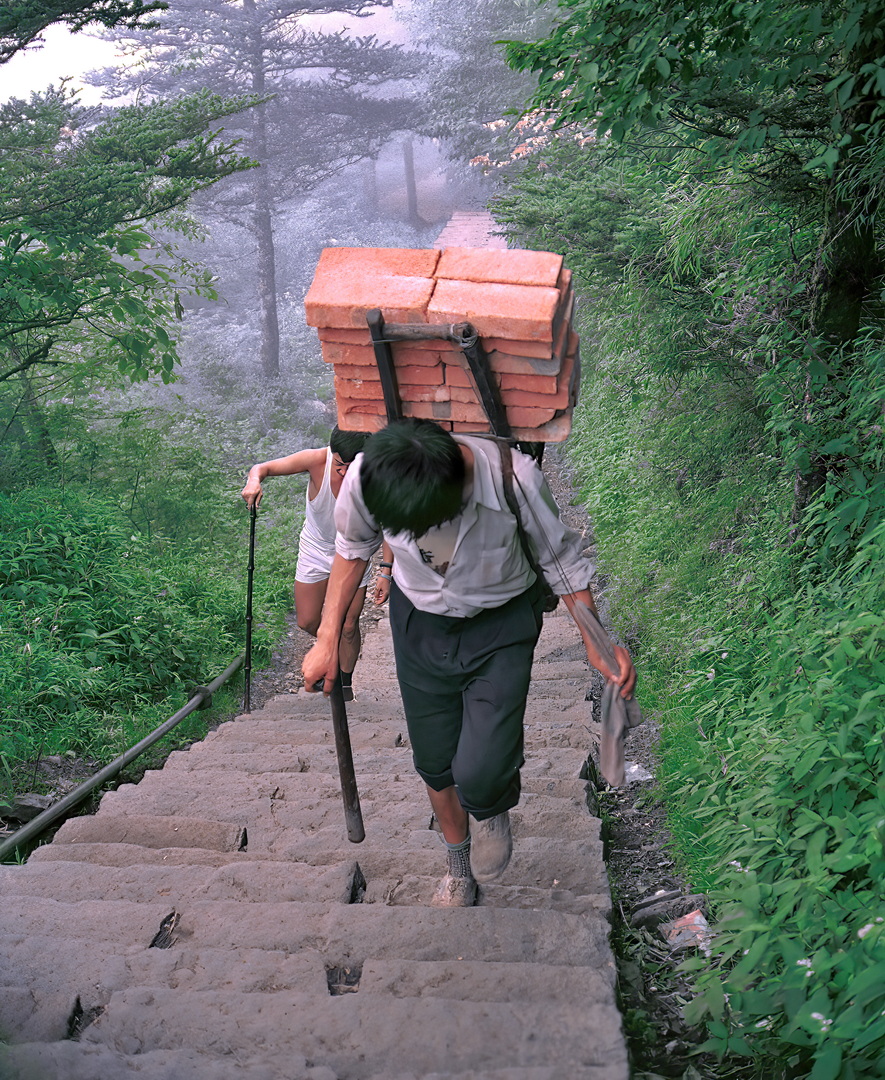
- The Deep West: Remote villages in western and northwestern regions face harsher terrain. Some still navigate limited access to running water, indoor plumbing, or nearby medical care.
The "Left-Behind" Society
Due to the massive economic boom in urban centers, generations of young adults migrated to cities for manufacturing and service jobs. This left a unique demographic footprint in the countryside:
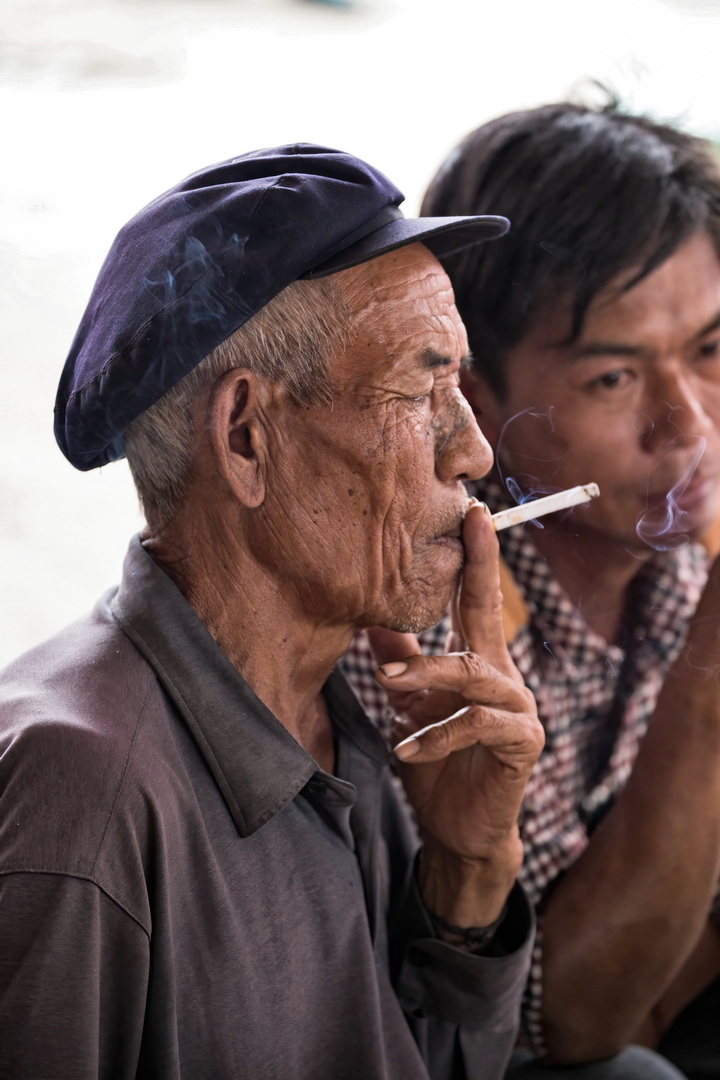
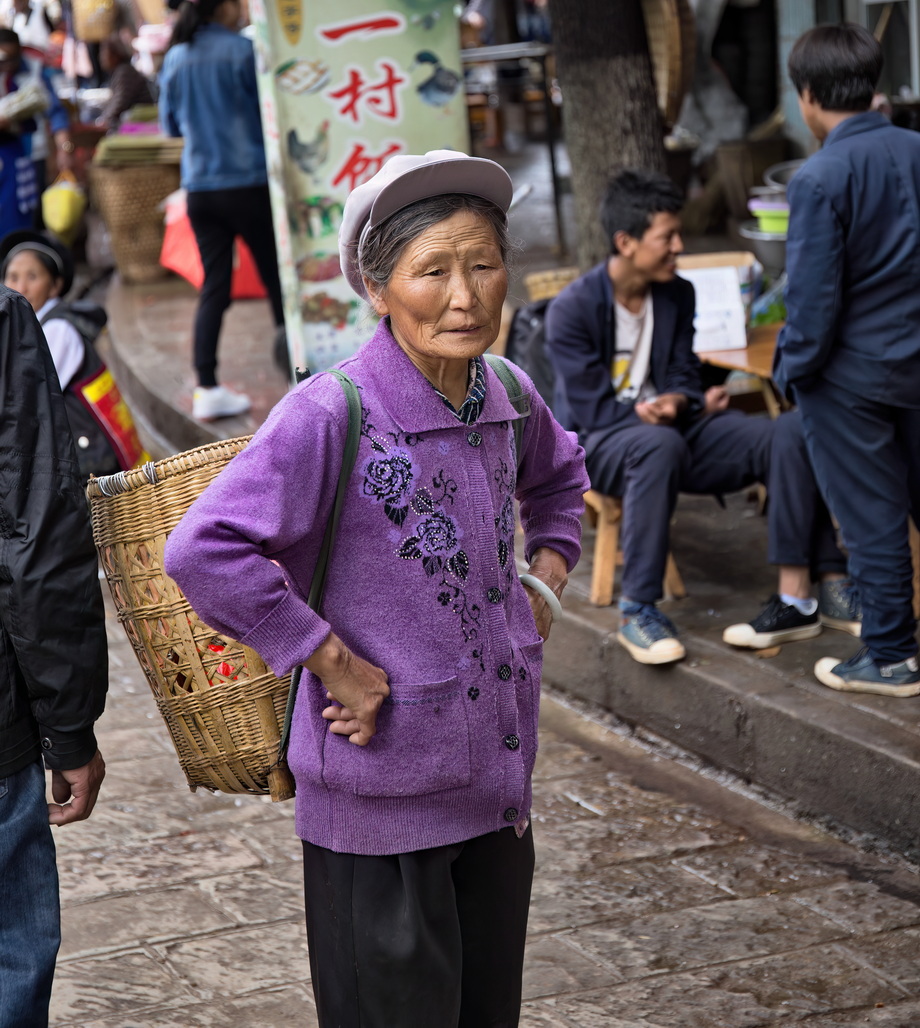
- The Elderly: Grandparents act as the primary caretakers of the land and the household.
- Left-Behind Children: Millions of children grow up in villages raised by elderly relatives, seeing their parents only during major holidays like Lunar New Year.
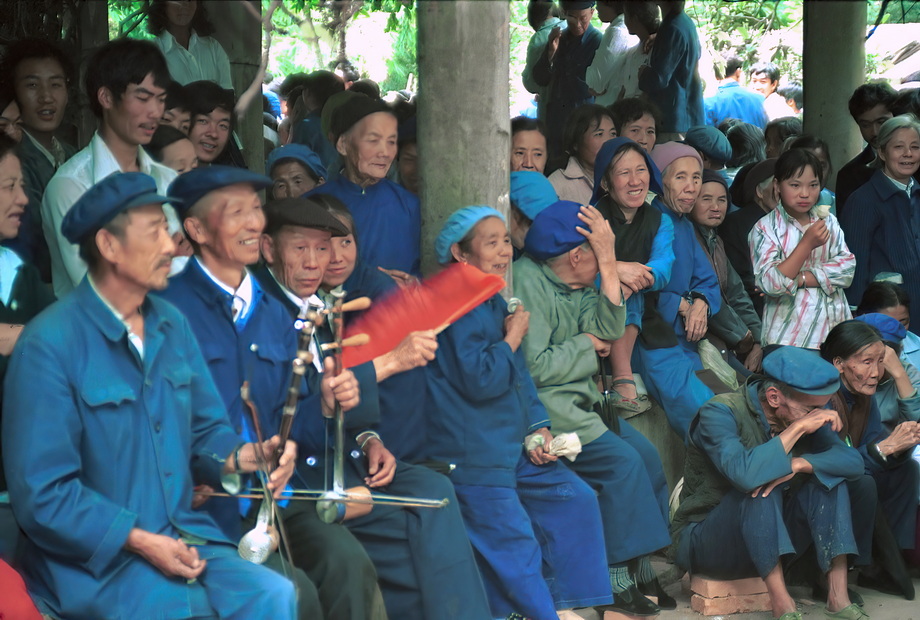
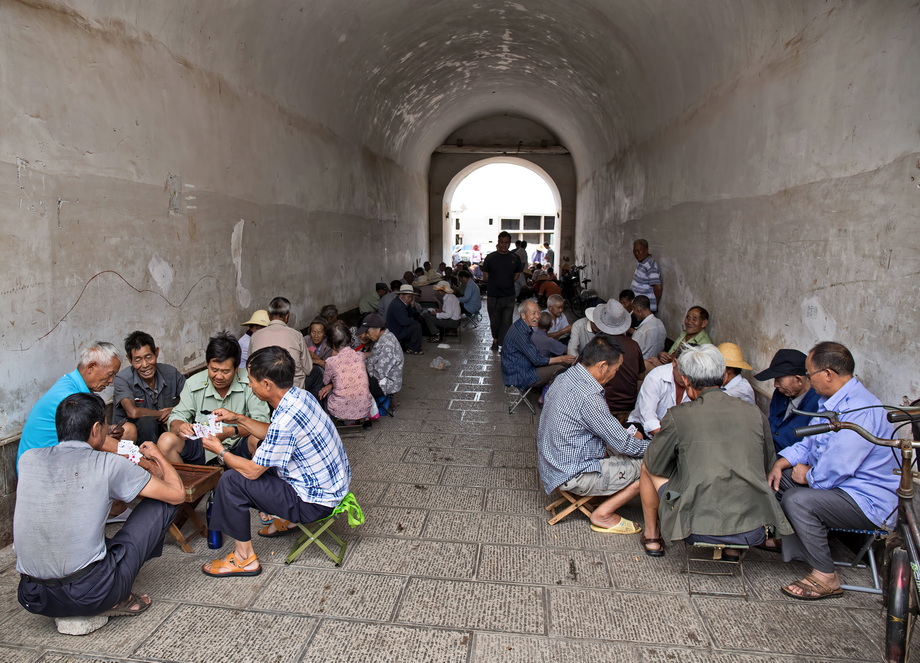
- Social Life: Daily life is slower-paced and deeply communal. Neighbors spend hours talking outside, sharing local gossip, and helping one another with daily tasks.
Agriculture and Daily Living
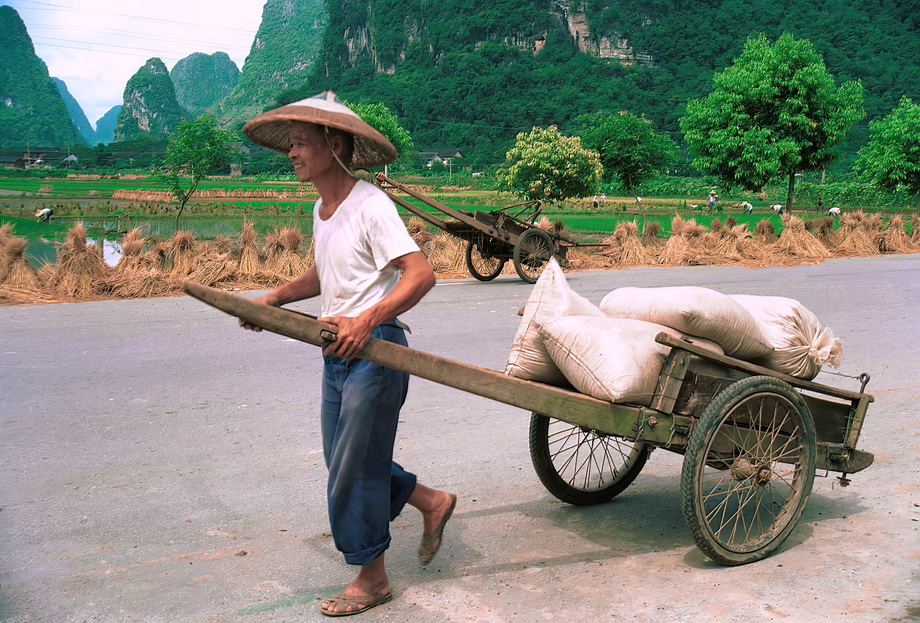
- Micro-Farming: Unlike Western industrial farms, a typical rural family works on a small plot of land (often half an acre) allocated by the village collective, growing staples like rice, corn, or vegetables.
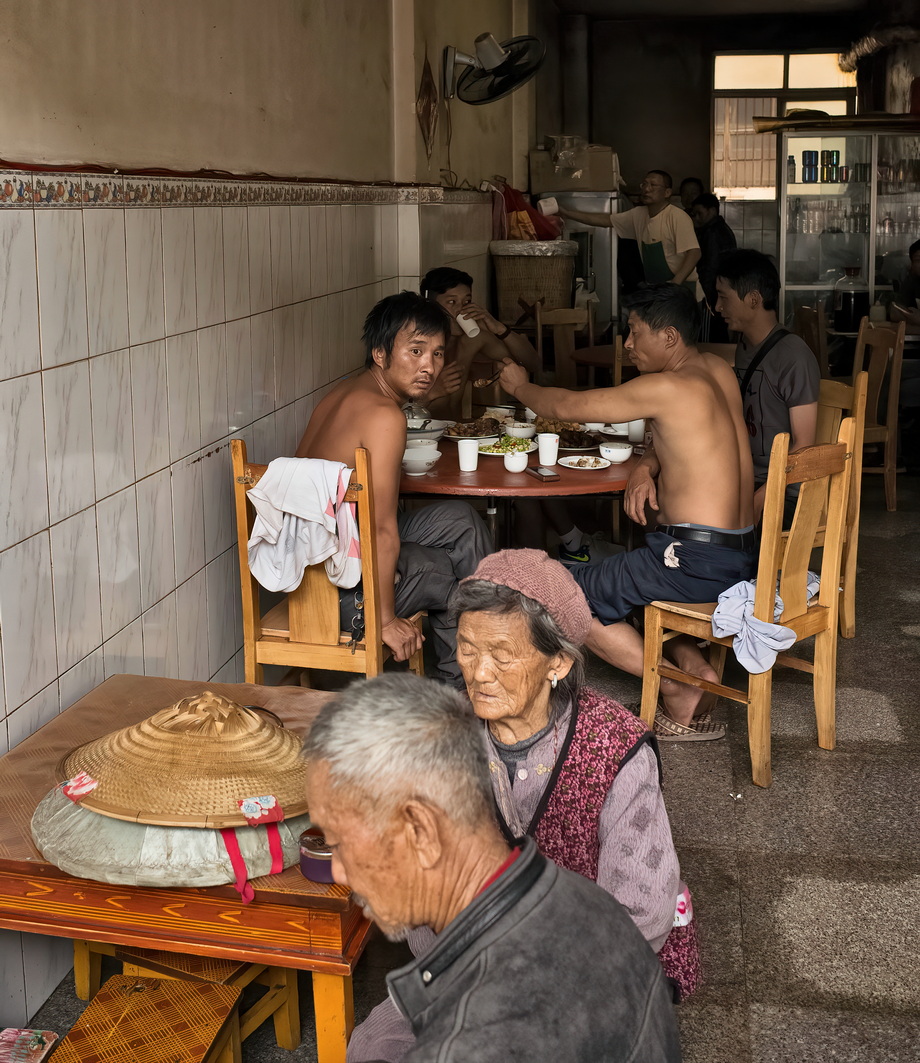
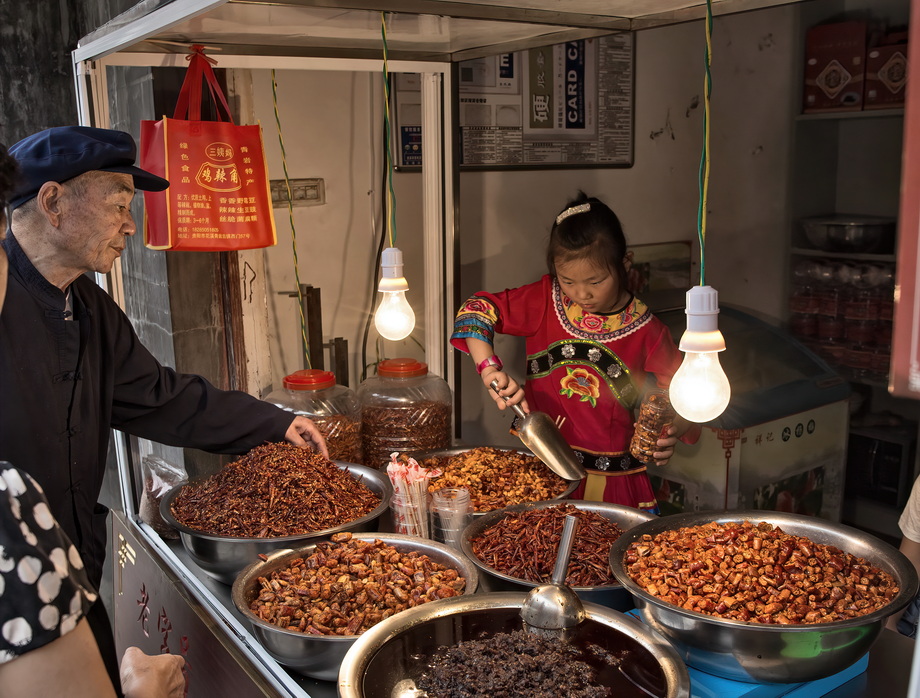
- Diet & Cost: Meals are heavily based on what is grown locally. The cost of living is extremely low, with home-cooked dinners often costing the equivalent of just a dollar.
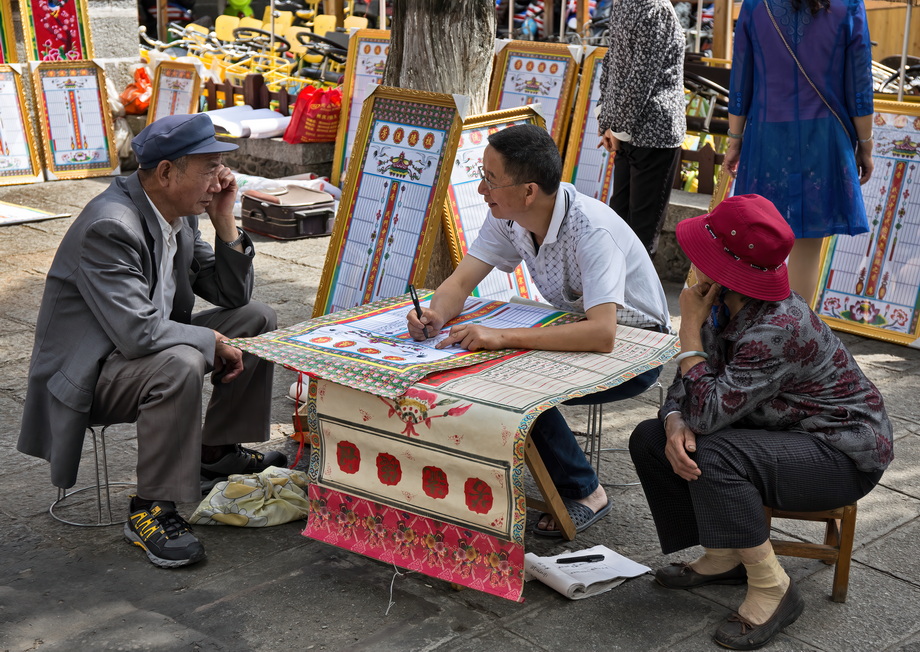
- Tradition: Confucian values, family lineage, and deep respect for elders dictate community rules. Traditional celebrations like local weddings are massive, multi-day community events.