

Artisanal fishers in Senegal and Mauritania operate in one of the world's richest fishing zones, yet face severe challenges from overfishing, foreign industrial trawlers, and climate-driven, dwindling stocks. The sector consists mostly of small-scale "artisanal" fishers using traditional wooden pirogues, which provide thousands of jobs. However, they face competition from foreign industrial vessels operating under flags of convenience.
Decorated pirogues in Senegal and Mauritania are vibrant, hand-painted wooden fishing vessels that often featuring geometric patterns, figurative elements, and religious symbols such as Quranic verses or references to marabouts (holy men). These designs are believed to offer protection and encourage a bountiful catch. Green, yellow, and red—representing the Senegalese flag—are dominant colors used in the designs.
While they are iconic in Senegal, the pirogues seen in Mauritania are often built by Senegalese artisans of Fula and Wolof ethnicity. A small 10-foot-long pirogue takes about a week to build, whereas a 70-foot-long vessel can take up to a month. They are traditionally carved from trees and reinforced, with a lifespan that can reach up to 15 years depending on maintenance.


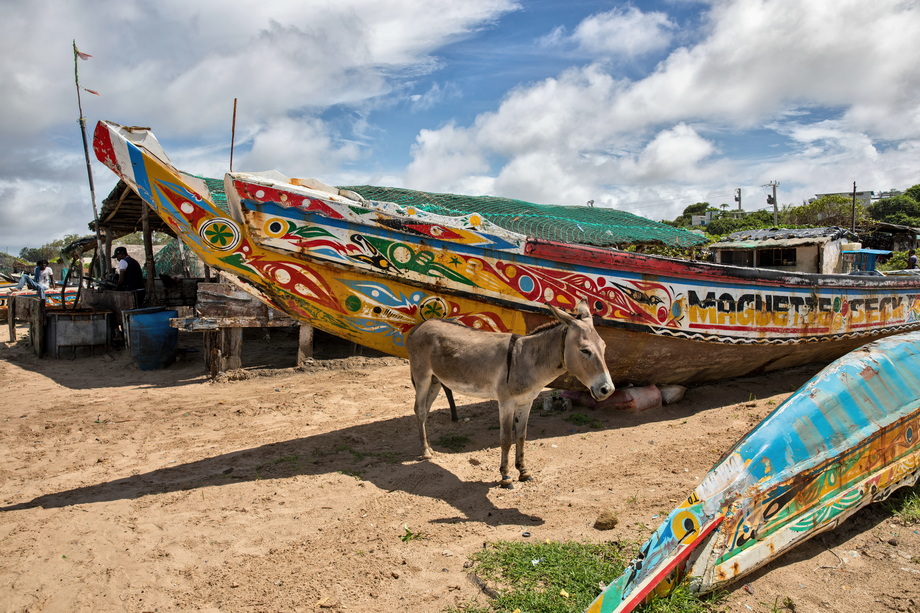


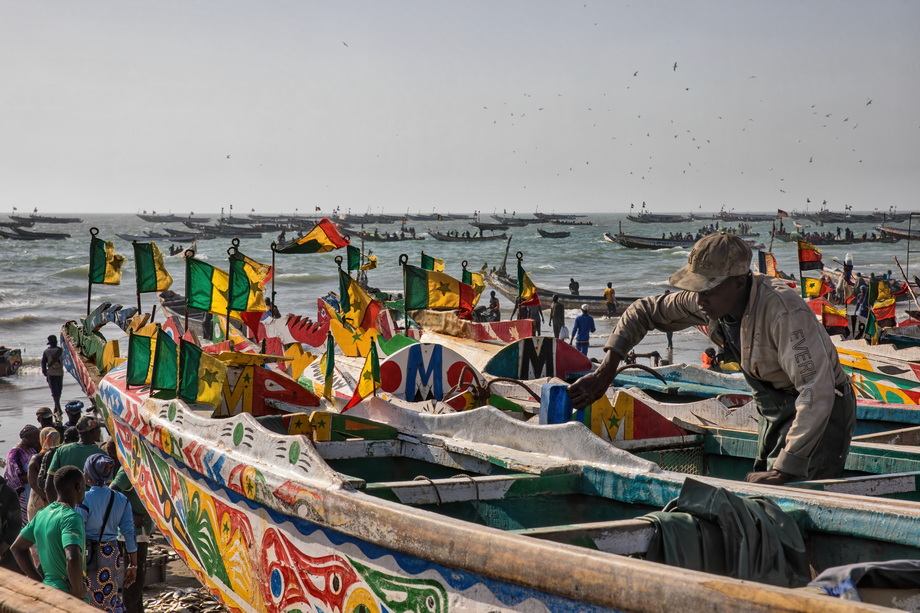


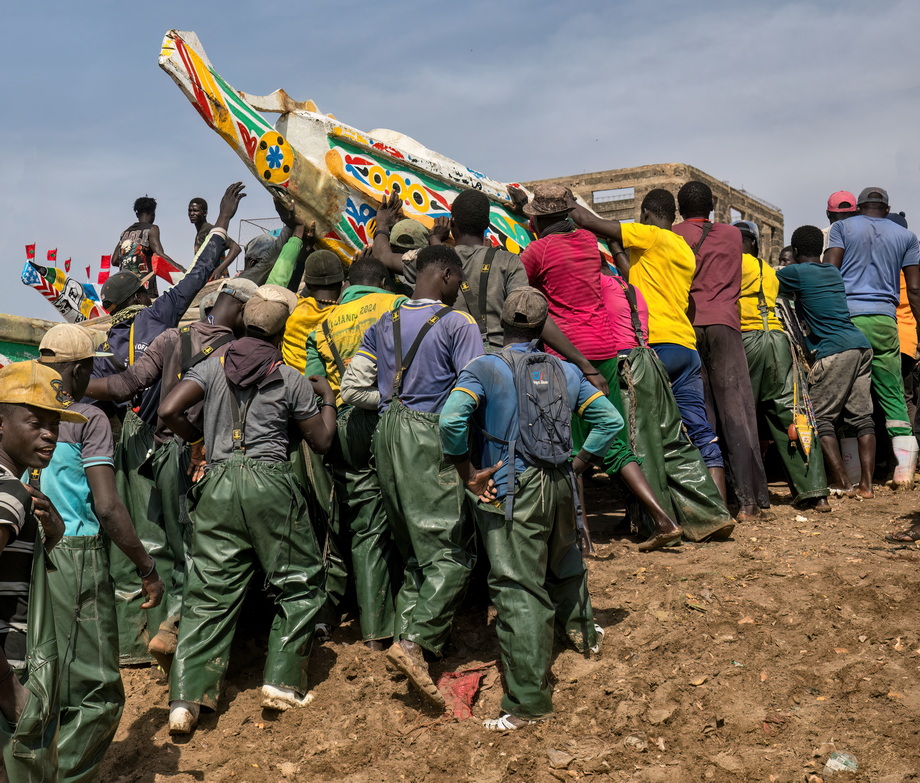
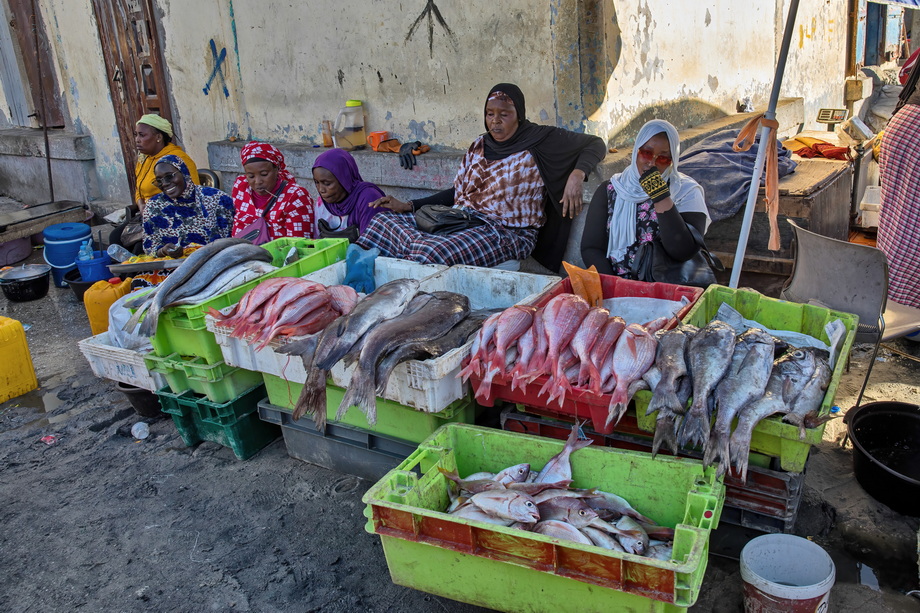


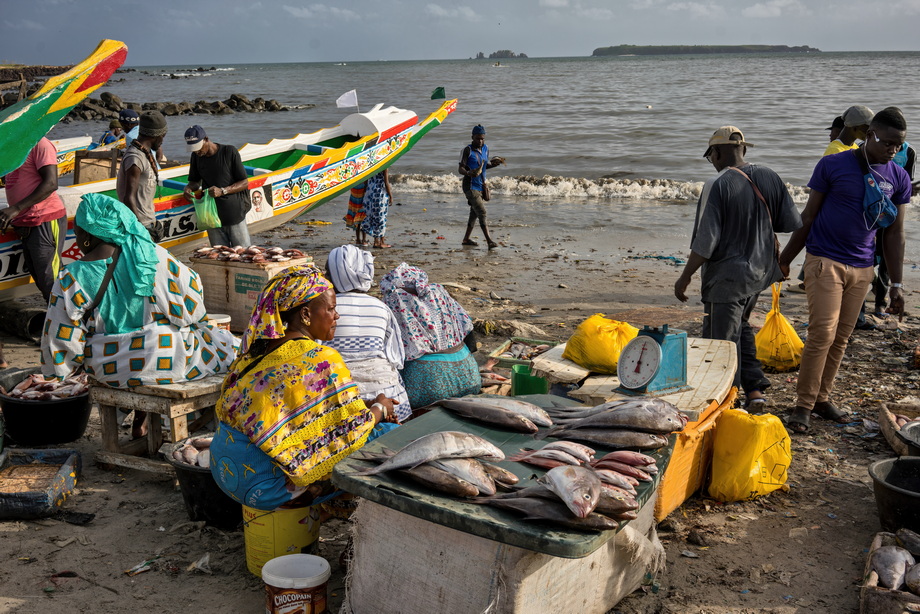


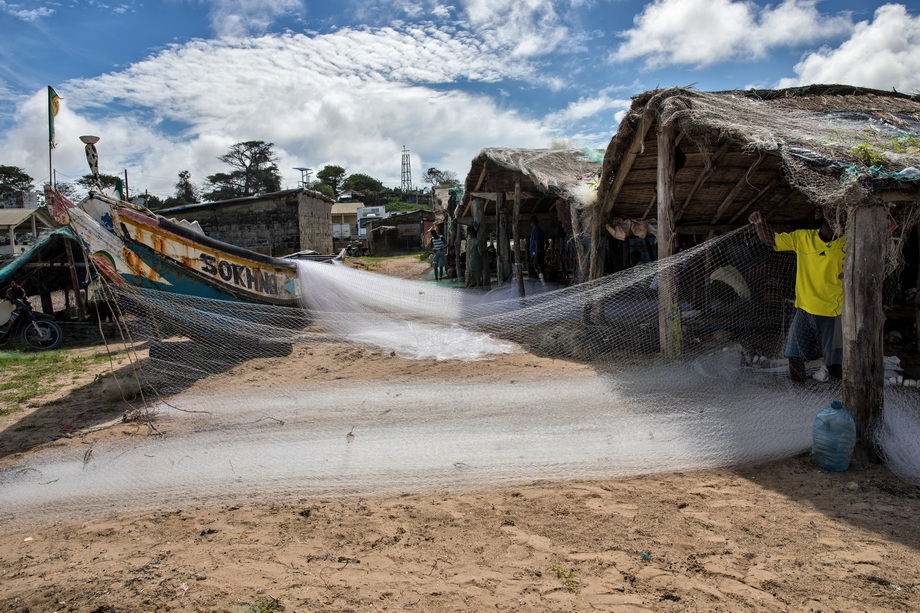

Photo Gallery: © Jordi Zaragozà Anglès / Senegal - Mauritania / 2022-2023-2026